
Griffiths School
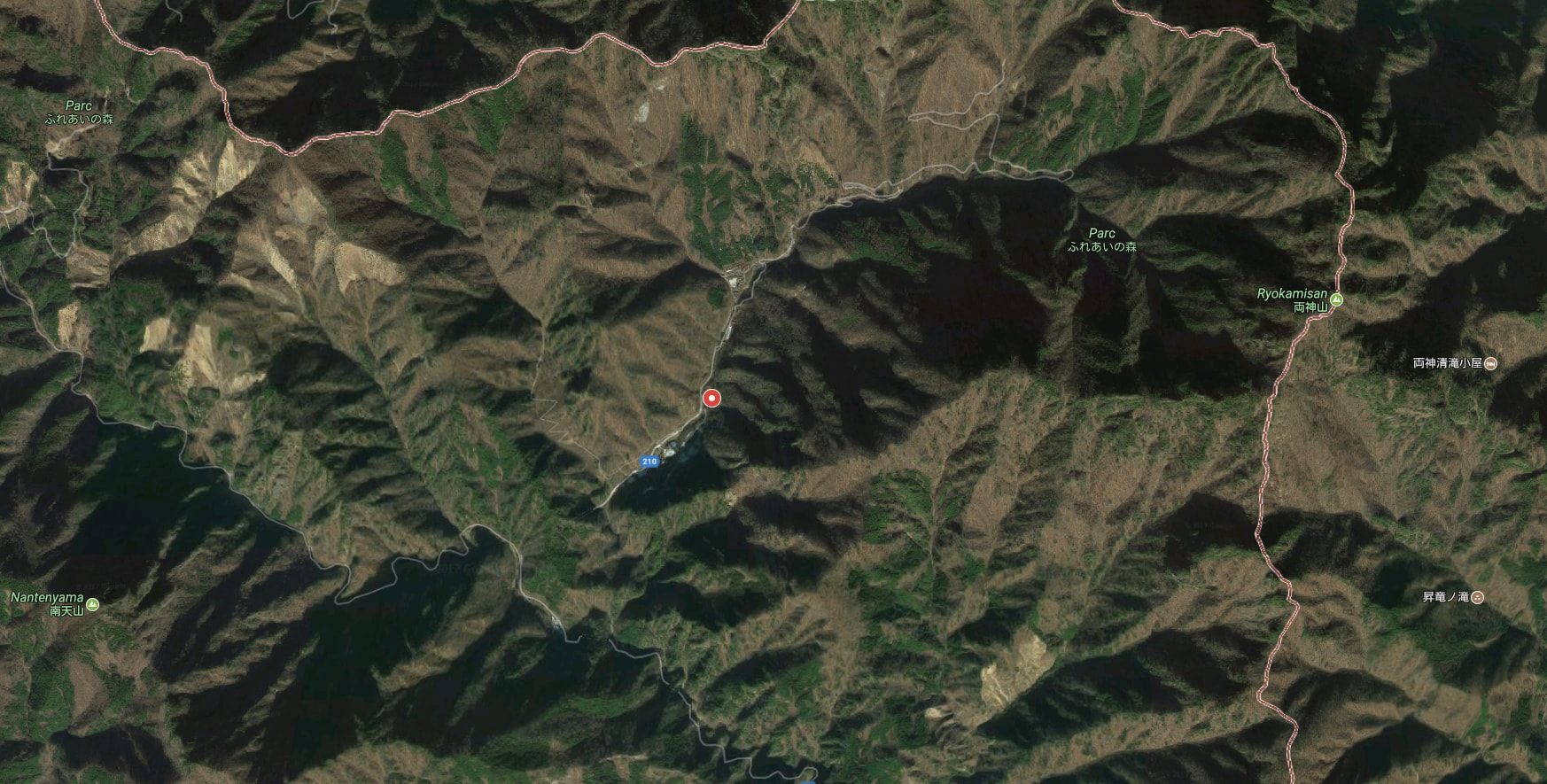
What a perilous exploration! Our destination was Nichitsu, an abandoned mining town tucked away since the 1980s in the Saitama Prefecture—a place completely lost in the mountains. Back in its heyday, the town was home to 3,000 residents, but today it is entirely deserted, save for a section of the mine that remains active. We were speeding along the narrow mountain roads because night was fast approaching, and we still had a long drive ahead to reach our next stop tonight. Our GPS was throwing a tantrum and couldn’t find the single road leading to the ghost town; it’s always in moments like these that everything goes wrong. Just 10 kilometers away from our destination, we hit a roadblock. Our exploration was compromised. Pulled over on the shoulder, we accepted the roaming charges to look at Google Maps—our eternal wild card. We spotted another road—the real one; the car’s GPS clearly had zero intention of getting us to our destination. Now facing a 40-minute backtracking delay just to reach the right path, we knew this exploration would have to be done on the run.
We had a strategic choice to make. We had been tipped off that the town was brimming with exceptional abandoned spots—a clinic, a post office, a cinema, two schools, not to mention the houses that once belonged to the miners. With what little time we had left, we had to pick just one location. Luckily—or unluckily—the only exact GPS coordinates we had were for the main school; we wouldn’t have time to search for anything else. It was going to be frustrating to miss out on so much.
The road was winding, and around every bend, we dreaded crossing paths with a mining truck, as there was barely enough room for a single vehicle. We drove through incredibly tight tunnels in pitch darkness, high beams on and horns blaring to signal our approach—the drive definitely brought its share of adrenaline. With one eye on the ravine and the other on the clock, I feared I wouldn’t be able to take a single photo as the light vanished with every passing kilometer. The suspension was taking a beating; the road was in a catastrophic state since it is primarily used by mining trucks. Channeling my inner Vin Diesel, I tore into the ghost town, snubbing all the abandoned houses to focus entirely on our sole objective: the main school.
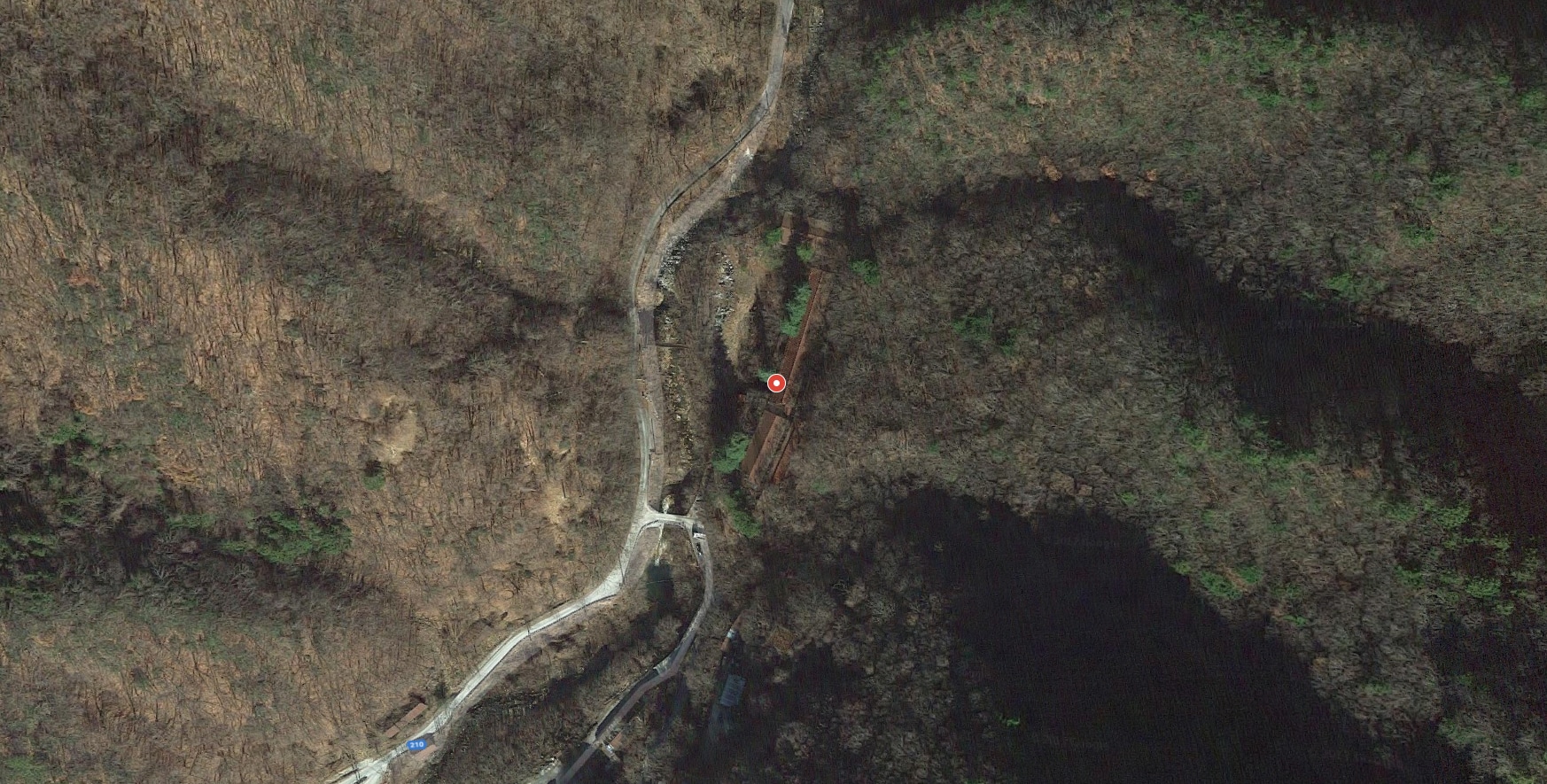
We drove past the mine, where a few vehicles were parked. I hoped our presence wouldn’t draw their attention, as there was little doubt about why we were there. The metal footbridge leading to the school was blocked off, meaning we had to slip past the mine’s entrance to get onto the property. Just then, a car drove by. Time to play the tourists admiring the active mine from afar. I gestured falsely toward the site; the car slowed down, the driver waved, and he went on his way. We had no more time to lose—we dashed inside. Visually, the place was ominous; its condition left no doubt that a collapse was imminent. Inside the school, the wooden floorboards were broken and warped by moisture. Realizing we couldn’t go through there, we kept circling the building until we found a more welcoming entrance. Stressed by the impending darkness threatening to ruin our shots, we rushed to capture the corridors and the various relics left behind—pianos, blackboards, notebooks; there was still quite a lot inside. After just 20 minutes, we hurried back out to photograph the exterior and try our luck with the rest of the town to see if we could catch anything else. It was a race against the clock.
We headed toward the old clinic, crossing a river by hopping from stone to stone because the access bridge was condemned. We discovered the place was a total wreck; it was impossible to step foot inside because it was so fragile and dangerous. The floor was completely gone. We pushed our curiosity aside and headed toward the theater. I was just about to photograph this equally hazardous spot when I realized I had left my gear bag back at the school. Leaving Marie to cover the theater, I sprinted back to the school with my flashlight in hand. It was an exploration that certainly helped burn maximum calories! With around thirty photos under our belts, we were able to leave Nichitsu fully satisfied with both our athletic and artistic performance.


Recommended books on Urbex
This selection contains Amazon affiliate links. If you make a purchase through these links, I earn a small commission at no extra cost to you.


